
Bearing the Weight: Why Car Bearings Are the Unsung Heroes of the Road
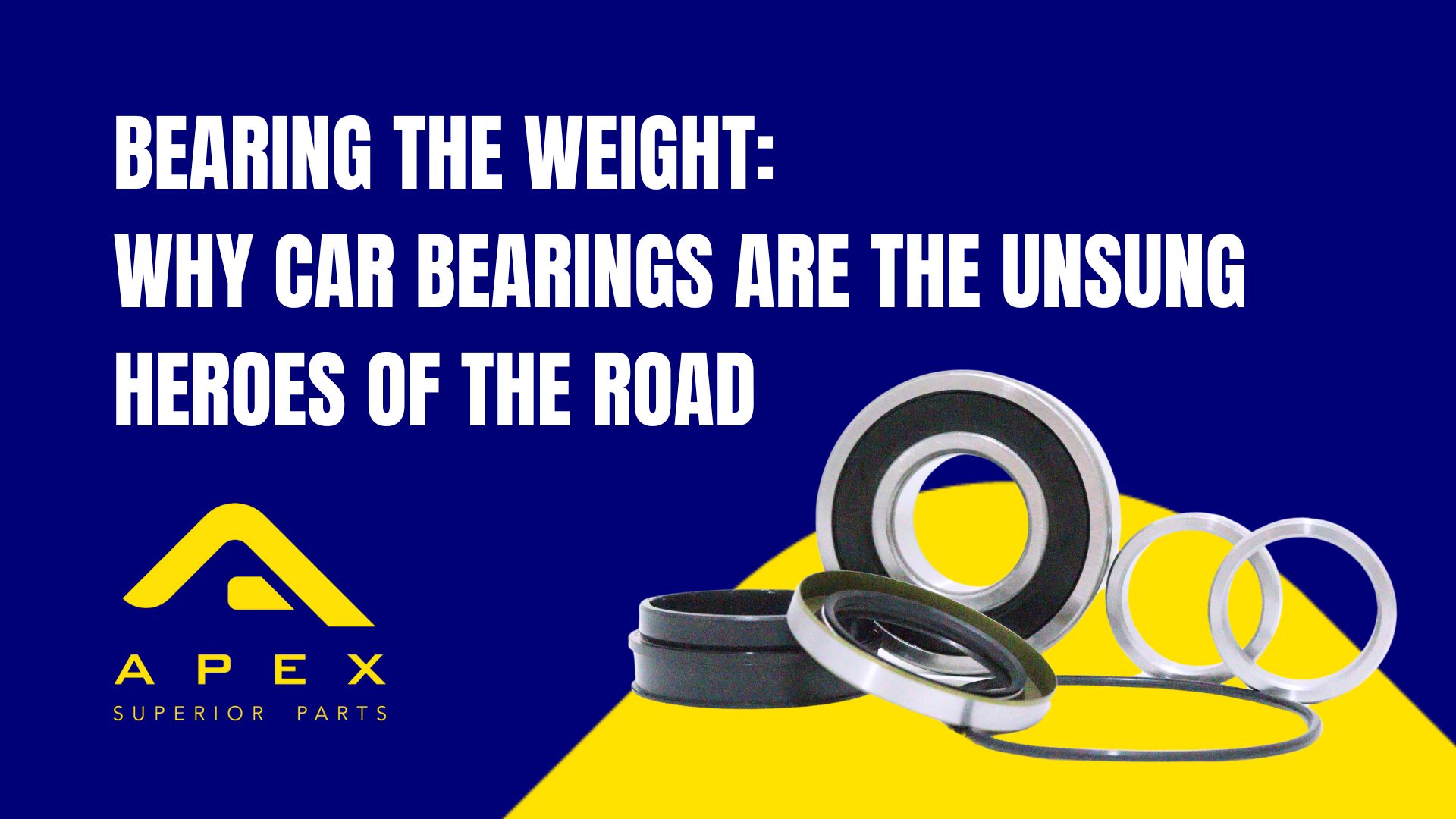
Ever heard a mysterious humming or grinding noise while driving and thought, “That doesn’t sound good, but it’s probably fine”? Spoiler alert: it’s probably not. Chances are, your wheel bearings are trying to send you an SOS. These small but mighty components are the unsung heroes of your vehicle’s performance – and when they fail, they don’t go quietly.
If you’re a man who enjoys the hum of a finely tuned engine, the freedom of the open road, listen up. This one’s for you.
What Are Wheel Bearings, anyway?
Think of wheel bearings as the gym spotters of your car’s wheels – quietly handling pressure, reducing friction, and making sure everything spins smoothly. They’re made up of hardened steel balls or rollers packed inside a metal ring, housed in your wheel hub.
Every time your wheels rotate (so, pretty much all the time), your wheel bearings are doing the hard work of supporting the weight of your car and ensuring smooth, controlled movement. Without them? Well, let’s just say your ride turns from “smooth operator” to “carnival bumper car” real quick.
Signs Your Wheel Bearings Are About to Ditch You:
Just like any good wingman, a healthy wheel bearing never makes a fuss. But when they start to go bad, you’ll know – and ignoring the signs is a one-way ticket to expensive repairs. Keep an ear out for:
- Grinding or humming sounds – especially when turning.
- Uneven tyre wear – that one rogue tyre wearing out too fast.
- Steering looseness or vibrations – like your steering wheel’s had too many energy drinks.
- ABS malfunction warning – yes, a failing wheel bearing can mess with your braking sensors.
Why Ignoring Bad Bearings is a Bad Idea:
Neglecting bad wheel bearings is like ignoring a loose tooth – eventually, something’s going to fall out, and it won’t be pretty.
A failed bearing can lead to:
- Tyre or wheel separation
- Brake failure
- Damage to suspension or hubs
- Increased fuel consumption
So, unless you’re into dramatic roadside breakdowns and heroic rescue stories (featuring a tow truck and your wallet), it’s best to handle the issue early.
Replacing Wheel Bearings: DIY or Call the Pros?
For the mechanically inclined, replacing wheel bearings can be a rewarding weekend project – like assembling a braai stand, just greasier. However, it requires precision tools and torque accuracy. One slip-up and your wheel may not be the only thing coming loose.
For most blokes, the smarter move is to have a trusted mechanic do the job. Let the pros get their hands dirty while you enjoy a beer and brag about how “you could’ve done it” if you had time.
Wheel bearings might be the strong, silent type – but when they start making noise, it’s time to listen. They play a huge role in your car’s safety and performance and replacing them isn’t just maintenance – it’s peace of mind.
So, next time your ride starts whining like your mate who forgot his camping chair, don’t ignore it. Get it checked out and roll like a legend.