
Cabin Air Filters: The First Line of Defence for Your Health
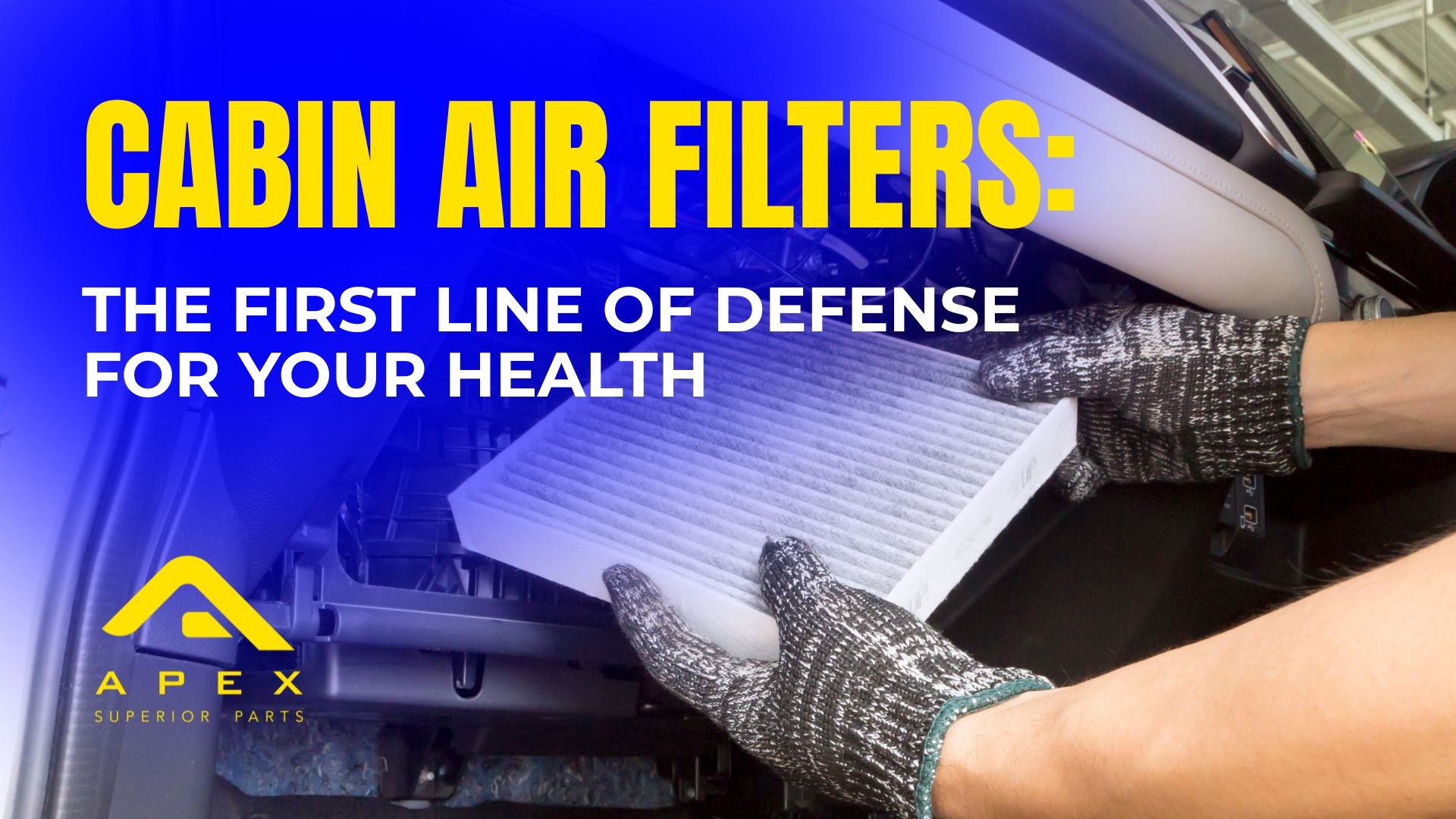
When most people think about car maintenance, they usually picture oil changes, spark plugs, and tyres – basically, the big stuff that keeps the vehicle going. But there’s one small, often-ignored component that plays a massive role in both your comfort and your health: the cabin air filter.
Yes, that rectangular thing hiding behind your glovebox or under your bonnet does far more than just collect dust. It’s the barrier between you and the pollutants South African roads love to throw your way: dust, pollen, exhaust fumes, and a bit of everything else.
As the saying goes: “It’s the little things that make a big difference.” And when it comes to air quality inside your car, nothing could be truer.
What Exactly Does a Cabin Air Filter Do?
A cabin air filter’s job is straightforward but vital: It cleans the air before it enters your vehicle’s ventilation system – whether you’re running air-con, heating, or simply letting in some fresh air.
Its functions include:
- Filtering dust and pollen to protect passengers – especially useful in Spring or on long gravel roads.
- Reducing exhaust fumes entering the cabin when stuck behind heavy traffic.
- Protecting the HVAC system by preventing debris from clogging blowers and ducts.
- Improving air quality for anyone with allergies or asthma.
Think of it as your car’s version of a face mask – but one that gets changed regularly (hopefully).
Signs Your Cabin Air Filter Is Begging for Retirement
While some components loudly complain when they fail, cabin air filters are a bit like strong, silent types. They don’t shout – they just quietly stop working well. That said, there are warning signs:
1. Reduced airflow from the vents
If your fan is on full blast but delivering the enthusiasm of a cheap desk fan, the filter may be blocked.
2. Musty or unpleasant smells inside the car
If it smells like someone left their gym shoes under your dashboard, it’s definitely overdue for replacement.
3. Foggy windows that take forever to clear
Restricted airflow affects your defogger’s efficiency – especially annoying during Highveld winters.
4. Increased allergy or sinus symptoms
South African pollen is no joke. If you’re sneezing more in your car than outside, check that filter.
5. Visible dirt when inspected
If it looks like a small animal could be living in it – replace immediately.
Why Clean Cabin Air Matters More Than You Think
South Africa’s road conditions – dusty environments, frequent construction zones, and high traffic pollution – mean cabin air filters work overtime. A clogged filter doesn’t just trigger discomfort; it can also impact your vehicle’s overall performance.
1. Your air-con system works harder
Restricted airflow forces the blower motor to strain, which can lead to premature wear. Fixing that is far more expensive than replacing a filter.
2. Driver alertness improves with clean air
Studies consistently show that poor air quality increases fatigue. After all, long road trips already come with enough yawns – no need to add more.
3. Reduces exposure to harmful pollutants
Vehicle exhaust contains nitrogen dioxide, carbon monoxide, and microscopic particles. A functioning filter blocks most of these before they reach your lungs.
4. Protects children and older passengers
Cabin air quality affects vulnerable passengers more quickly, making timely filter changes even more important.
How Often Should You Replace a Cabin Air Filter?
Most manufacturers recommend changing the cabin air filter every 15 000 to 20 000 km, but this depends on environment and usage. In South Africa, the following conditions may require earlier replacement:
- Regular driving on gravel or rural roads
- Heavy city traffic with stop-and-go pollution
- Seasonal changes with increased pollen
- Frequent use of the air-conditioning system
If you drive long distances or live near industrial areas, checking it every service interval is smart preventative maintenance.
Can You Replace It Yourself?
Often, yes. Many vehicles allow easy access – either behind the glovebox or under the bonnet. But in some modern models, getting to the cabin filter feels like disassembling half the dashboard. If that’s the case, leave it to a professional. Rather a quick workshop visit than breaking a clip and having to live with a rattling glovebox forever.
Final Thoughts
A cabin air filter might seem insignificant, but it plays a major role in your daily driving experience. Cleaner air means better comfort, less strain on your HVAC system, and improved long-term health for both you and your passengers.
So don’t treat it like an afterthought. Treat it like the small hero it is – quietly protecting you with every breath.
After all, as the old saying goes: “Clean air isn’t a luxury; it’s a necessity.”
And remember to #askforApex