
Cracked vs. Swollen Hoses: What the Damage Tells You
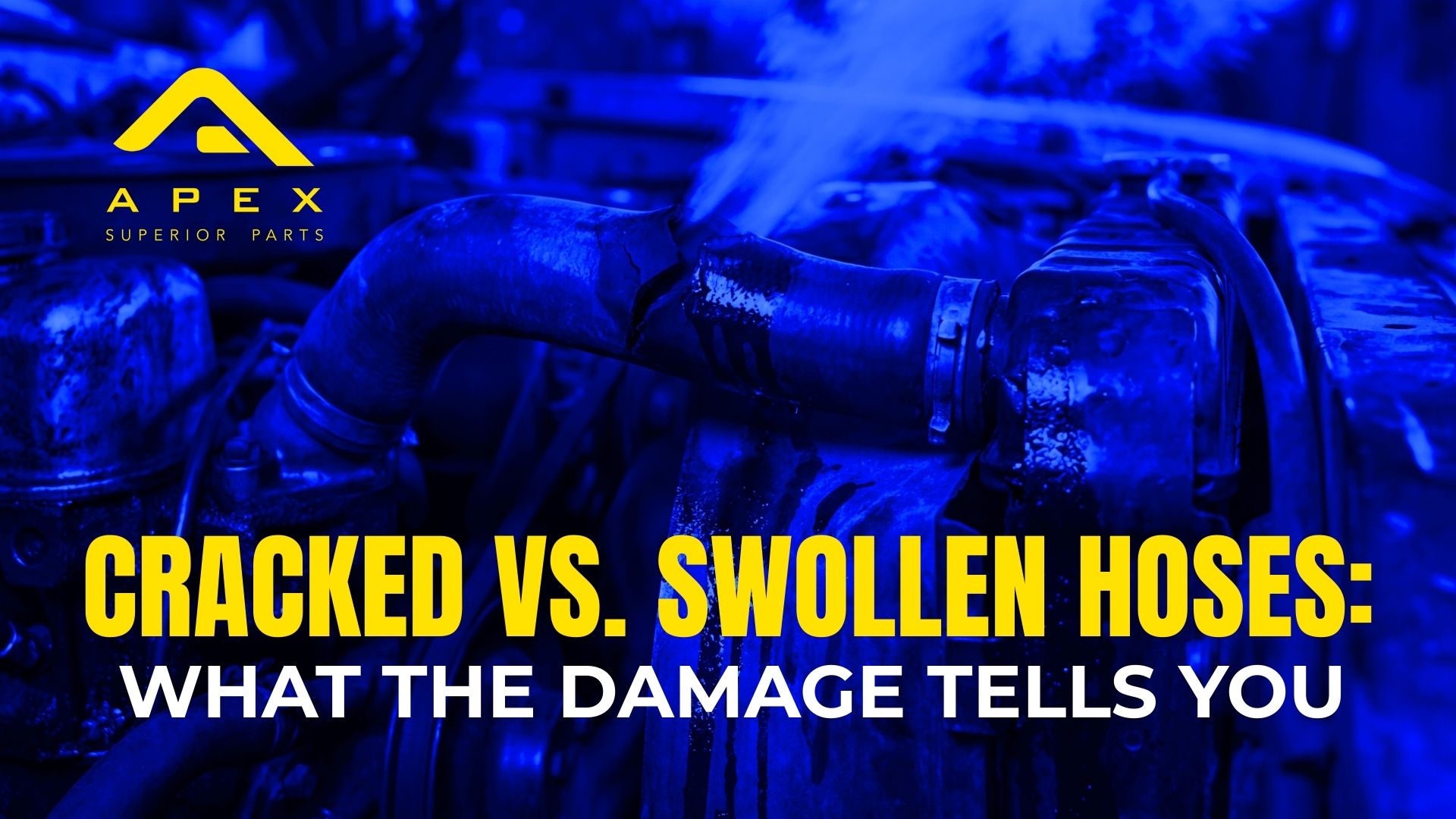
Pop your bonnet and take a look around. Among all the high-tech components and sophisticated systems, you’ll find something surprisingly simple: rubber hoses. These unassuming tubes carry vital fluids throughout your engine – coolant, oil, fuel, and vacuum lines that keep everything running smoothly. When they fail, the results can range from annoying to catastrophic.
Here’s something most people don’t realize: the way a hose fails tells you a story about what’s happening in your engine. Cracks and swelling aren’t random – they’re symptoms with specific causes. Let’s decode what your damaged hoses are trying to tell you.
Understanding Hose Construction
Most automotive hoses are made from rubber compounds reinforced with fabric or wire mesh. They’re designed to handle specific pressures, temperatures, and chemical exposures. Different hoses use different rubber formulations depending on their job – coolant hoses need heat resistance, fuel lines need chemical resistance, and vacuum hoses need flexibility.
The key point? Hoses are engineered for specific conditions. When those conditions change or exceed design limits, the hoses show it through predictable failure patterns.
Cracked Hoses: The Time and Temperature Story
Cracks typically appear as small splits or surface crazing on the outer surface of hoses. You might see tiny fissures that look like dry riverbeds on a map, or deeper cracks that expose inner layers. This pattern usually indicates age and heat-related deterioration.
Rubber naturally degrades over time through a process called oxidation. Heat accelerates this dramatically. The constant heating and cooling cycles in an engine bay make hoses expand and contract repeatedly. After years of this thermal cycling, rubber loses its flexibility and becomes brittle. Think of it like an old rubber band that snaps instead of stretching.
Cracked hoses are telling you they’ve lived a long life and reached their natural end. This is normal wear and tear, not necessarily indicative of other problems. If you’re seeing cracked hoses on a vehicle that’s seven to ten years old or has accumulated significant mileage, you’re simply witnessing the aging process.
The location matters too. Hoses closest to the engine or exhaust components experience higher temperatures and typically crack first. If only these hot-zone hoses show cracking while others remain pliable, heat exposure is the culprit.
Swollen Hoses: The Chemical Contamination Warning
Swollen hoses tell a different and more concerning story. When a hose appears bloated, feels soft and spongy, or looks larger in diameter than it should, you’re witnessing chemical attack on the rubber.
This happens when hoses contact fluids or substances they weren’t designed to handle. Oil contamination is a common cause – if engine oil is leaking onto coolant hoses, the oil breaks down the rubber compound, causing it to swell. Fuel hoses can swell if exposed to the wrong fuel type or contaminated fuel containing excessive amounts of certain additives.
Contaminated coolant is another major cause. If someone added the wrong coolant type, mixed incompatible coolants, or introduced petroleum products into the cooling system, the chemical balance changes. Rubber hoses exposed to these incorrect fluids absorb chemicals and swell like sponges absorbing water.
Swollen hoses near the valve cover or oil-prone areas suggest oil leaks that need addressing. Swollen coolant hoses throughout the system might indicate someone added the wrong coolant or that oil is contaminating your cooling system – potentially from a blown head gasket or cracked cylinder head.
The Soft and Mushy Failure
Some hoses become soft and mushy without obvious swelling. You squeeze them and they feel like overripe fruit rather than firm rubber. This often indicates a combination of age and mild chemical exposure. The hose hasn’t swelled dramatically, but it’s lost structural integrity.
These hoses are accidents waiting to happen. They might look acceptable externally but can fail suddenly when pressurized or stressed. A soft radiator hose might collapse under vacuum when the engine cools, restricting coolant flow. A mushy heater hose might burst unexpectedly, leaving you stranded in a cloud of steam.
Hard and Rigid Hoses
Occasionally, hoses become abnormally hard and rigid rather than flexible. This typically results from extreme heat exposure or specific chemical reactions. The rubber essentially cures beyond its normal state, losing all flexibility.
Hard hoses can’t flex with engine movement or expand and contract normally with temperature changes. This rigidity creates stress points where the hose connects to fittings, often leading to leaks at connections or sudden splits.
What to Do With This Information
Recognizing these patterns helps you make informed decisions. Cracked hoses from age? Replace them as preventive maintenance before they leak. It’s expected wear, not a sign of deeper problems.
Swollen hoses? Investigate immediately. Find the contamination source before it damages other components. Simply replacing swollen hoses without addressing the underlying cause means the new hoses will meet the same fate.
When inspecting hoses, squeeze them along their length. They should feel firm but pliable, like a new rubber eraser. Cracks, swelling, extreme softness, or rigidity all indicate replacement time.
Prevention Strategies
Regular visual inspections catch hose problems early. Make it a habit to look at accessible hoses during oil changes or when checking fluid levels. Catching deterioration early means replacing hoses on your schedule, not on the roadside.
Use the correct fluids for your vehicle. Wrong coolant types or mixing incompatible formulations attack hoses chemically. Fix oil leaks promptly so leaking oil doesn’t contaminate hoses it wasn’t meant to contact.
Consider proactive replacement of original hoses on high-mileage vehicles. If your vehicle has surpassed 160 000 kilometres on original hoses, replacement before failure is smart preventive maintenance.
Reading the Signs
Your hoses are constantly communicating their condition and the conditions they’re experiencing. Cracked hoses say “I’m old and tired.” Swollen hoses say “something’s wrong with the fluids I’m carrying.” Both messages deserve attention, but they require different responses.
Learn to read these signs, and you’ll catch problems early, prevent breakdowns, and keep your cooling, fuel, and vacuum systems operating reliably. It’s detective work that requires nothing more than your eyes, hands, and a few minutes of attention.
Not bad for a bunch of rubber tubes.
#AskforApex