
Signs of Failing Suspension Bushes You Shouldn’t Overlook
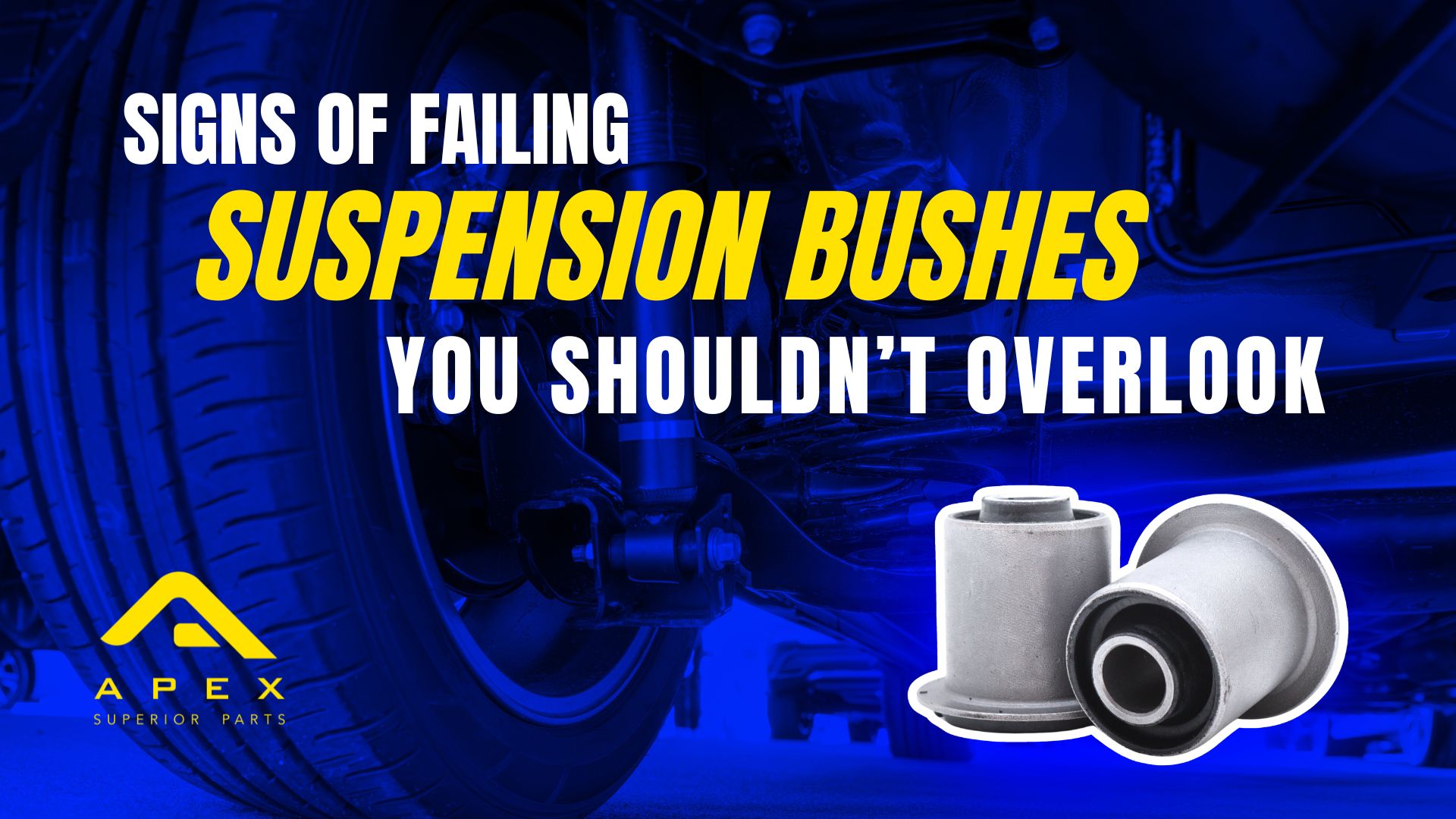
Most drivers notice when something feels “off” with their car, even if they can’t quite put their finger on it. Maybe the ride feels a bit rougher than usual or there’s an odd knocking sound when going over bumps. Suspension bushes are often the quiet culprits behind these changes.
They don’t get nearly as much attention as shocks or control arms, yet suspension bushes play a key role in keeping your ride smooth, stable and safe. When they start to fail, your vehicle will let you know, you just need to know what to look out for.
What Do Suspension Bushes Actually Do?
Suspension bushes are the connection points between your vehicle’s suspension components and the chassis. They’re usually made from a combination of rubber and metal, designed to absorb vibration and reduce noise.
These bushes support parts like shock absorbers, struts, control arms and leaf springs depending on the design. Their job is to cushion movement while keeping everything properly aligned.
Over time, the rubber portion can wear out, crack or lose its flexibility. Once that happens, the bush can no longer absorb movement effectively.
Why Bush Failure Matters
A worn suspension bush doesn’t just affect comfort. It can impact handling, braking stability and even tyre wear.
Without proper cushioning, more vibration is transferred into the vehicle’s body. Components may start to move slightly out of alignment, which affects how your car responds on the road.
Drivers who regularly travel long distances or drive on uneven roads across South Africa may experience faster wear on suspension components, including bushes.
Common Signs of Failing Suspension Bushes
Suspension bushes rarely fail overnight. In most cases, they give clear warning signs before becoming a serious issue.
1. Knocking or Clunking Sounds
One of the most noticeable signs is a knocking noise when driving over bumps, speed humps or rough roads. This happens because the bush is no longer holding components firmly in place.
2. Increased Vibration
A worn bush loses its ability to absorb vibration. You may start to feel more road vibration through the steering wheel or even through the seat.
3. Uneven Tyre Wear
Misalignment caused by worn bushes can lead to uneven tyre wear. If your tyres are wearing out faster on one side, the suspension system could be the reason.
4. Poor Handling
The vehicle may feel less stable when cornering or changing direction. Steering might feel slightly loose or less responsive than usual.
5. Visible Wear or Cracks
A visual inspection can sometimes reveal the problem. Cracked, brittle or collapsed rubber bushes are clear indicators that replacement is needed.
A Simple Check You Can Do at Home
You don’t need to be a professional mechanic to spot early warning signs.
Start by listening to your vehicle during everyday driving. Pay attention to how it sounds when going over speed bumps or rough patches of road.
Park the vehicle and do a basic visual check if possible. Look around the suspension area for any obvious signs of worn rubber or loose components.
A gentle bounce test can also help. Press down on one corner of the vehicle and release it. If the car makes unusual noises, there could be an issue with the suspension system, including the bushes.
When to Replace Suspension Bushes
Suspension bushes don’t always have a fixed replacement interval like some other components. Their lifespan depends on driving conditions, road quality and overall vehicle usage.
Many bushes start showing wear after 80 000 to 120 000 km, though rough roads and heavy loads can shorten that lifespan.
Replacing bushes at the same time as shocks or struts is often recommended. Doing both together ensures better performance and saves on labour costs in the long run.
Why You Shouldn’t Ignore the Problem
Driving with worn suspension bushes might not seem urgent at first, especially if the vehicle still feels drivable.
The problem is that worn bushes place additional stress on other suspension components. Over time, this can lead to more expensive repairs, including damage to shocks, struts or even the chassis.
More importantly, compromised suspension can affect your ability to control the vehicle in emergency situations.
Suspension bushes might be small and often hidden from view, yet they play a big role in how your vehicle feels and performs.
Paying attention to early warning signs such as unusual noises, increased vibration or changes in handling can save you from bigger problems down the line.
Regular inspections and timely replacements keep your ride comfortable, your tyres wearing evenly and your vehicle handling the way it should.
A smooth drive isn’t just about comfort. It’s a sign that everything underneath your vehicle is working exactly as it should.