
The Dangers of Driving on a Bad Wheel Bearing
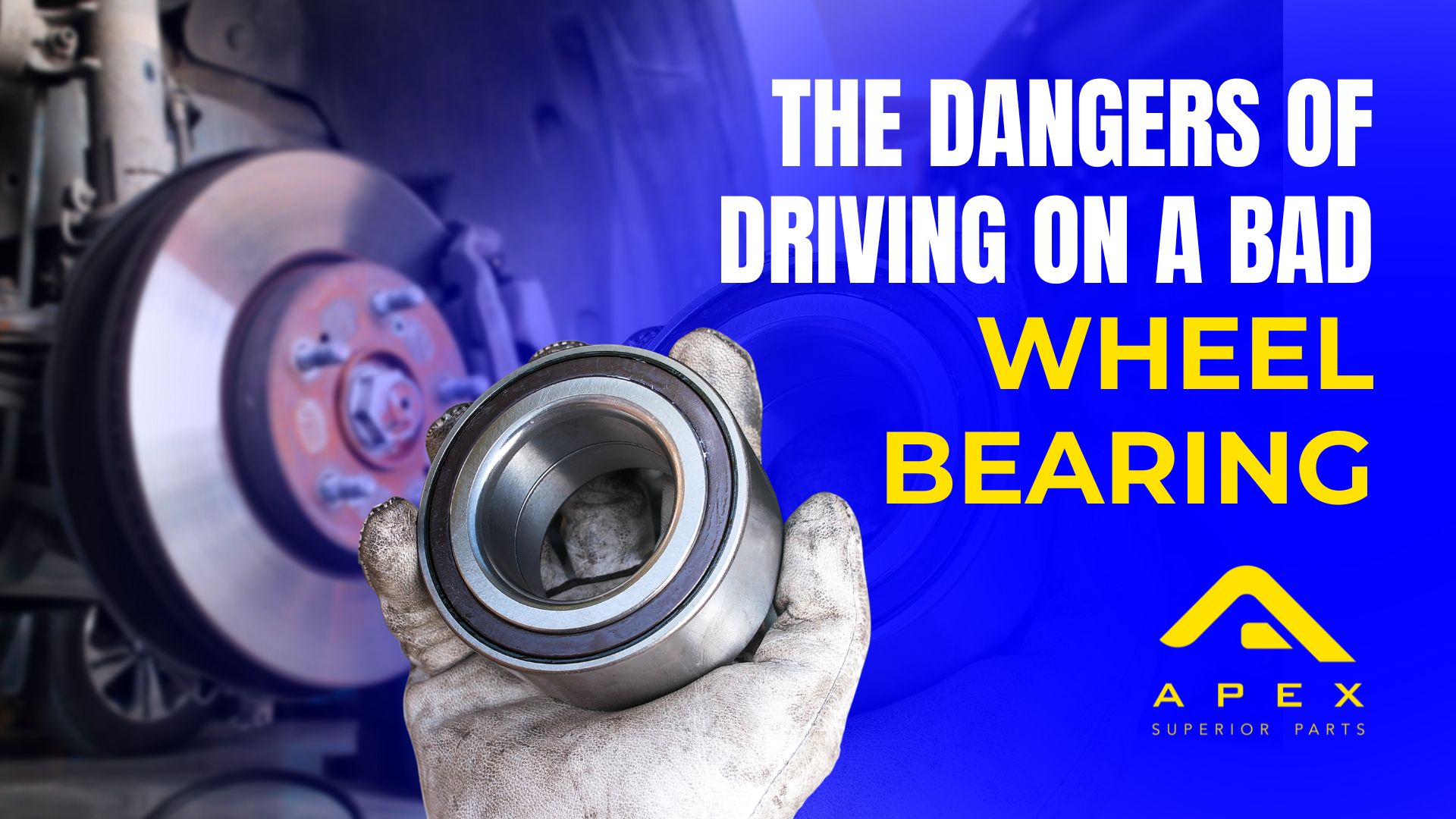
That humming noise from your wheels that you’ve been ignoring? The one that sounds like an airplane taking off or a distant swarm of bees? That’s probably a wheel bearing announcing its impending failure. And while it might seem like just an annoying sound you can live with, driving on a bad wheel bearing is playing automotive Russian roulette with your safety and your wallet.
Let’s discuss what can go wrong when you postpone this repair, and why that gambling strategy has terrible odds.
What Happens Inside a Failing Bearing
Wheel bearings contain precision-machined balls or rollers that allow your wheel to spin freely while supporting your vehicle’s weight. When a bearing begins failing, these rolling elements develop flat spots or the races they roll on become pitted and damaged.
As damage progresses, the bearing generates increasing amounts of heat from friction. This heat degrades the remaining grease, accelerating wear. The bearing also develops play – excessive looseness that allows the wheel to wobble slightly. Both heat and play create cascading damage that worsens exponentially, not gradually.
This is why a bearing that’s only slightly noisy can suddenly become severely damaged seemingly overnight. The failure curve isn’t linear – it’s exponential.
The Safety Risks Are Real
In extreme cases, a completely failed wheel bearing can allow the wheel to separate from the vehicle. Yes, your wheel can literally fall off. While modern vehicles have multiple safety features making this less likely than in older designs, it remains a genuine possibility with severely damaged bearings.
More commonly, a failing bearing creates handling problems before reaching catastrophic failure. The excessive play allows the wheel to wobble, making steering feel loose or imprecise. Braking performance suffers because the wheel isn’t properly positioned relative to brake components. Cornering stability decreases as the wheel shifts under lateral loads.
These handling changes are subtle initially but significantly increase accident risk, particularly in emergency manoeuvres where precise vehicle control matters most.
The Collateral Damage Problem
A wheel bearing doesn’t fail in isolation. As it deteriorates, it damages surrounding components. The excessive heat can damage wheel seals, allowing grease to leak onto brake components. Contaminated brakes lose effectiveness and require additional repairs beyond just the bearing.
The wobbling wheel creates uneven loading on suspension components, accelerating wear on ball joints, tie rod ends, and control arm bushings. What started as a bearing problem becomes a comprehensive suspension repair.
Most significantly, a failed bearing can damage the hub assembly, spindle, or even the axle itself. These components are considerably more expensive than the bearing. A R1 000 bearing replacement can become a R2 500 hub and axle repair if you wait too long.
Warning Signs You Shouldn’t Ignore
The humming or growling noise that changes with vehicle speed is the classic symptom. The sound often changes when cornering because you’re shifting weight and altering the load on the bearing. If the noise gets louder when turning right, the left front bearing is likely the culprit, and vice versa.
Steering wheel vibration, particularly at highway speeds, can indicate bearing problems. This is the wheel wobble transmitting through the steering system.
Uneven tyre wear sometimes results from bearing issues because the wheel isn’t rotating in proper alignment. If you notice unusual wear patterns, have bearings checked during tyre inspection.
ABS warning lights can illuminate if bearing damage affects the integrated wheel speed sensor that many modern bearings incorporate.
The Cost Escalation Timeline
A wheel bearing caught early might cost R800 to R1 000 to replace, including parts and labour. This assumes the bearing is the only damaged component and the hub assembly is reusable.
Continue driving with a noisy bearing for weeks or months, and you’re looking at potential hub replacement, adding another R1 000. If the damage extends to the axle or suspension components, costs escalate further.
Wait until the bearing completely fails and causes an accident? Now you’re dealing with body damage, potential injury, insurance complications, and liability issues if other vehicles are involved. The true cost becomes incalculable.
Why People Postpone This Repair
Bearing noise often starts quietly and increases gradually, allowing you to acclimate to the sound. What would alarm you if it appeared suddenly seems tolerable because it developed slowly. This is dangerous psychology – the bearing isn’t becoming less damaged just because you’re getting used to the noise.
Financial concerns drive postponement, which is understandable. However, this is exactly the wrong repair to delay. Unlike some maintenance that can be strategically timed, bearing failure accelerates rapidly and causes expensive collateral damage.
The Right Approach
If you hear bearing noise, have it diagnosed promptly. Most shops can identify failing bearings quickly during a test drive and inspection. Once confirmed, schedule replacement within days or weeks, not months.
If finances are genuinely tight, some shops offer payment plans or financing. Given the safety implications and cost escalation potential, this is one repair worth financing if necessary.
Don’t attempt to diagnose which bearing is failing yourself and order parts online to save money. Incorrect diagnosis means purchasing the wrong parts, and bearing replacement requires proper tools and knowledge. This is one job best left to professionals.
The Bottom Line
Your wheel bearings are quite literally what keep your wheels attached and rotating properly. They’re not cosmetic components or optional equipment. When they fail, the consequences range from expensive to dangerous.
That humming noise isn’t just annoying – it’s a warning. Heed it promptly, address the problem while it’s still manageable, and you’ll avoid both safety risks and financial disasters. Ignore it, and you’re betting against physics and probability. Those are bets you’ll eventually lose, usually at the worst possible time.
Listen to your vehicle. When it tells you something’s wrong, believe it.
And that’s why you should #askforApex