
Why Brake Maintenance Is More Than Just Pads and Rotors
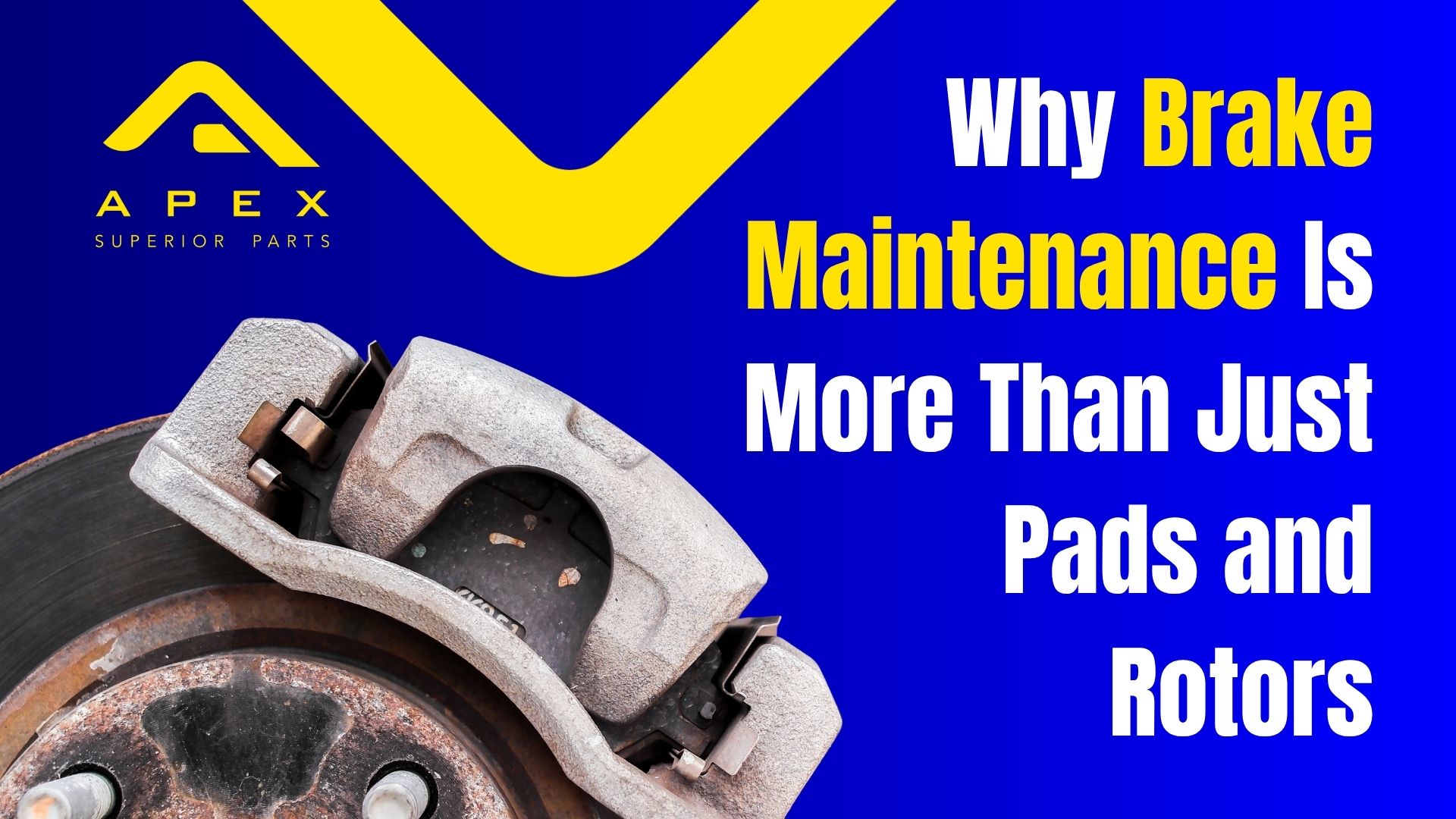
When most drivers think about brake maintenance, the first things that come to mind are brake pads and rotors. Those two components certainly do most of the visible work when it comes to slowing your vehicle down. Yet a modern braking system is far more complex than just a set of pads squeezing against a metal disc.
Looking after your brakes properly means paying attention to several components that all work together to stop your vehicle safely and consistently. Ignoring the smaller pieces of the system can lead to poor braking performance, uneven wear and sometimes expensive repairs down the line.
The Brake System: A Team Effort
Every time you press the brake pedal, a series of mechanical and hydraulic actions take place in a fraction of a second.
Brake fluid moves through hydraulic lines, the brake master cylinder builds pressure, callipers squeeze the brake pads against the rotors and friction slows the wheels. All of these components must work together perfectly to bring your vehicle to a safe stop.
When even one part of the system is neglected, the entire braking system can suffer.
Brake Fluid: The Often Forgotten Hero
Brake fluid is one of the most overlooked parts of the braking system, yet it plays a vital role.
This fluid transfers the force from your brake pedal to the brake callipers. Unlike engine oil, brake fluid is hygroscopic, which means it absorbs moisture from the air over time.
Moisture contamination lowers the boiling point of the fluid. Under heavy braking conditions, such as descending a steep mountain pass or stopping suddenly from high speed, the fluid can heat up significantly. If the fluid begins to boil, air bubbles can form in the system, leading to a soft or spongy brake pedal.
Most manufacturers recommend replacing brake fluid every 2 to 3 years, even if the vehicle has not travelled a high number of kilometres.
Brake Hoses and Lines
Brake hoses and lines carry pressurised fluid throughout the braking system. Rubber brake hoses can deteriorate with age, heat and exposure to road debris.
Small cracks or internal weakening may not be visible at first, yet they can reduce braking efficiency or lead to fluid leaks. A leaking brake line reduces hydraulic pressure and can significantly compromise braking performance.
Routine inspections during servicing help identify worn hoses before they become a safety concern.
Callipers and Moving Components
Brake callipers contain pistons that press the pads against the rotors. These pistons rely on seals and smooth movement to function properly.
Over time, dirt, corrosion or lack of lubrication can cause calliper components to stick. A sticking calliper may keep a brake pad in constant contact with the rotor, which leads to excessive heat and uneven wear.
Symptoms often include a pulling sensation while braking, increased fuel consumption or a noticeable burning smell after driving.
The Importance of Proper Brake Hardware
Brake hardware might sound like a small detail, but components such as clips, springs and slide pins play an important role in keeping the braking system operating smoothly.
These parts ensure that brake pads move freely and retract properly after braking. Worn or corroded hardware can cause noise, uneven pad wear or reduced braking efficiency.
Replacing hardware during brake pad replacement is often recommended to maintain proper performance.
Warning Signs Your Brakes Need Attention
Drivers should pay attention to changes in how their brakes feel or sound. Common warning signs include:
- Squealing or grinding noises
- A vibrating brake pedal
- Increased stopping distance
- A soft or spongy brake pedal
- The vehicle pulling to one side when braking
None of these symptoms should be ignored. Addressing brake issues early often prevents larger and more expensive problems later.
Regular Inspections Make a Big Difference
Brake components naturally wear over time. Vehicles that travel long distances, tow trailers or frequently drive in stop-start traffic may experience faster brake wear.
Routine brake inspections during scheduled services help ensure that all components remain in good working order. Checking the condition of brake fluid, hoses, callipers and hardware is just as important as inspecting the pads and rotors.
Brake maintenance is about far more than simply replacing worn pads and rotors. A properly maintained braking system relies on healthy fluid, reliable hoses, smooth callipers and well-functioning hardware.
Taking care of the entire system ensures that your vehicle stops safely, performs consistently and avoids unnecessary repair costs.
Your brakes work hard every time you drive. Giving them the attention they deserve is one of the smartest investments you can make in your vehicle’s safety and reliability.
After all, a powerful engine might get you moving quickly, but dependable brakes are what bring you safely home.